
At Elephant we’ve run hundreds of Engagement or Culture surveys for businesses of various sizes. Our team have also worked in house and we’ve seen there are 5 key mistakes that you can make when you run a survey.
Have you made any of them?
Mistake 1: Not starting with why
We’ve seen companies sent out communications about their survey, that miss a key component.
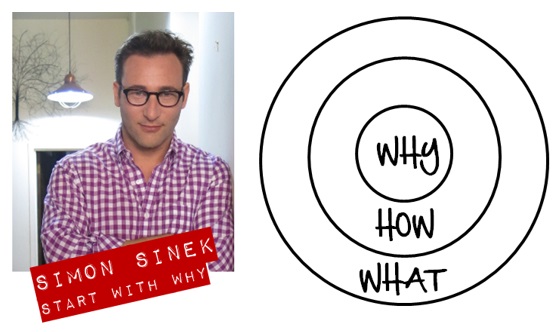
The comms covers WHAT the company wants to achieve: ‘We want your feedback on what we’re doing well and where we could improve’, and HOW it will work: ‘We’re running a survey to find out your feedback. Just click and complete the survey’.
But you also need to include the WHY: ‘We want to make this a great place to work’.
In fact if you start with the WHY, it’s much more engaging.
Simon Sinek has an excellent TED talk and book about Starting with WHY. He’s presented at Elephant conferences over the years and is worth taking time to listen to, to change how you communicate about your surveys or leadership in general.
Mistake 2: It’s the wrong trousers Gromit, and they’ve gone wrong
This might be a quote from the Wallace and Gromit movie ‘The Wrong Trousers’ but it could be the same about questions. It’s the wrong questions Gromit and they’ve gone wrong!
There’s a science to what and how you ask your engagement survey questions.
To benchmark results you need some quantitative data – usually by using rated questions. But there’s a skill to how you word these to make sure you get unbiased feedback from employees.
For instance:
• Our H&S record is exceptional. Strongly Agree – Agree – Neither – Disagree – Strongly Disagree.
Hang on – did you mean exceptionally good? Or exceptionally bad?
• Senior Leaders communicate regularly = please rate 1 – 5.
Hang on – what’s regularly? And do you mean with each other? Or with the rest of the business?
You need to be really careful about how you word these questions so you don’t get data that’s flawed.
Then you’ve got your open ended questions (or your qualitative data), which are important to get more indepth descriptions and feedback from employees. But be careful again about how you word them.
• What do we need to improve?
The company that asked this question then had thousands of suggestions from employees to sift through. Instead a better question would be:
• What would be the one key change we could make to our workplace to help you be more productive? (or safer or whatever else you want to focus on).
So make sure you ask the right questions!

Mistake 3: Starting the French Revolution
Back in the 1780’s the King of France had a problem with Paris. It was filthy! Sewerage ran down the streets, the river Seine was brown, fumes and chemicals from tanneries clogged the air and there were too many dead bodies to bury. No-one knew what to do, so King Louis 16th decided to ask the citizens of Paris for their suggestions.
And what ideas they gave him! Hundreds and hundreds of submissions were received by the Court showing that Parisians were engaged and motivated to make their city better.
King Louis and his Court then asked each person to present their submission and listened to these over several days before considering the outcomes. Excitement was high! The citizens were keen to hear which ideas would be used to restore their city to a clean and healthy place to live.
But the King could see that any solution was going to cost far too much of his money so he decided to DO NOTHING AT ALL. He figured that the citizens had been living with the filth for so long, they could just continue.
He was badly wrong.
Shortly afterwards the French Revolution broke out resulting in not only the end of the monarchy but in heads being lost too.
So mistake number 3 is when an organisation runs a survey, then feels overwhelmed at the results, and so does nothing with it. They might send out a comms sharing the overall results, or just a comms thanking everyone for giving feedback and they’ll now review the results…… and then NOTHING. No action taken.
If you to create mutiny and disengagement, you’ve just done an excellent job. Don’t ask if you’re not going to do anything with the results. Because you might cause a revolution, and not in a good way.

Mistake 4: Taking it at face value
If your questions aren’t worded that well, or even if they are – it’s important to discuss with people what they meant when answering, and to get further context.
Running focus groups when you present the results can be an eye opening experience, give people time to absorb and comment on the results and add further information about what might be happening.
Running a company wide session where you present company wide results, then asking people to discuss in their teams, or getting managers to run sessions with their teams can both be a way to achieve this.
OR sometimes doing a focus group with a particular group in the business. In Employment Bites, Angela Atkins shared an example of working in a company where the contact centre rated the benefits they were offered as not being good enough. When she held a focus group, the newer employees (who had rated the benefits extremely well) told the employees who had been there for a while and were taking things for granted – that the benefits were great. At the end of the session the longer serving employees asked if they could re-rate the questions in the survey as they now realised how lucky they were working there!

Mistake 5: Forgetting the small wins
If you do a survey roll out well, you’ll then have teams put together action plans or you might instigate project teams to start working on the areas that didn’t rate well. Or your HR team or senior leaders might have specific projects or initiatives they take on.
But none of that means anything if you don’t let people know what’s happening. You need to find some small wins that you can change straight away to show people progress is being made!
And you need to communicate what the project teams are working on for the longer term change.
Too many organisations focus their communications around people completing the survey, and then the survey results – but it’s what’s happens AFTER THAT that engage people. If they see there are some immediate small changes, and there are longer term projects in place which get reported in your newsletter, or on your internal social media channel regularly – that’s when they feel listened to, and that their feedback matters.
And if there are suggestions that aren’t going to work – then again – let people know!!
What happens if you don’t let people know? Your results might go up next time you run the survey, but your participation rates will fall. What’s happening is that the disengaged people will stop completing the survey. But they will be VERY disengaged now and spreading this under the radar. You only know if you’re actually doing well if your participation rate is the same or higher, and your actual results are also higher!
Of course some organisations want this. They want only the happy employees to fill in the survey. And while that might show positive results – it’s not real. If you ignore the disengaged employees – it is going to impact at some point. So challenge your business if they want to take this approach.
And if you want to check out Elephant’s Engagement Survey options, just click here!

 Elephant Group